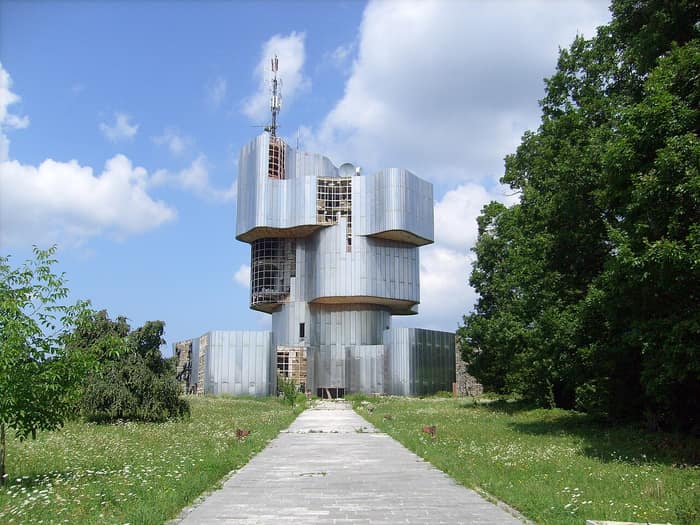
Monument to the Uprising of the People of Kordun and Banija
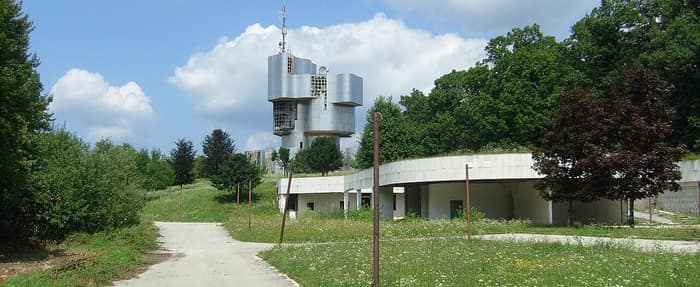
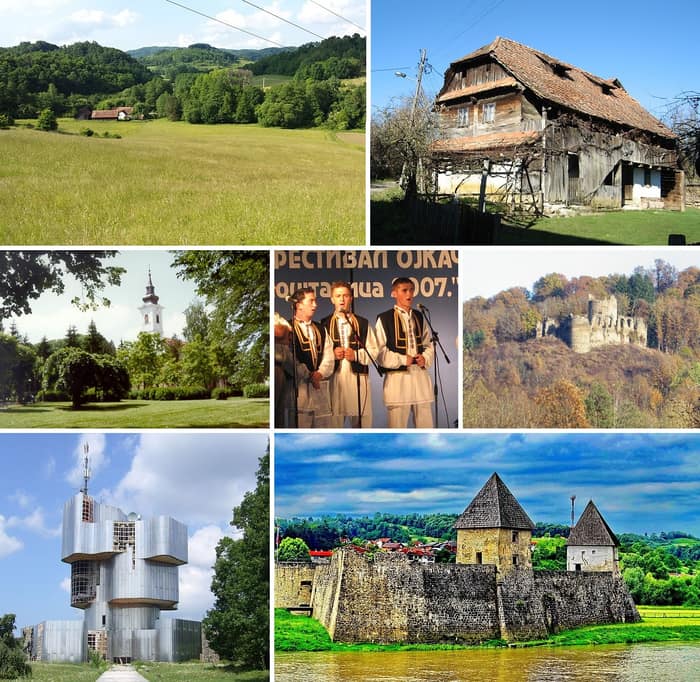
The Monument to the Uprising of the People of Kordun and Banija, also known as the Petrova Gora Monument, is a modernist Second World War memorial on Veliki Petrovac, a summit of the Petrova Gora range in central Croatia. Designed by the sculptor Vojin Bakić, it is one of the best-known Yugoslav-era monuments in the country and today stands in an advanced state of disrepair.
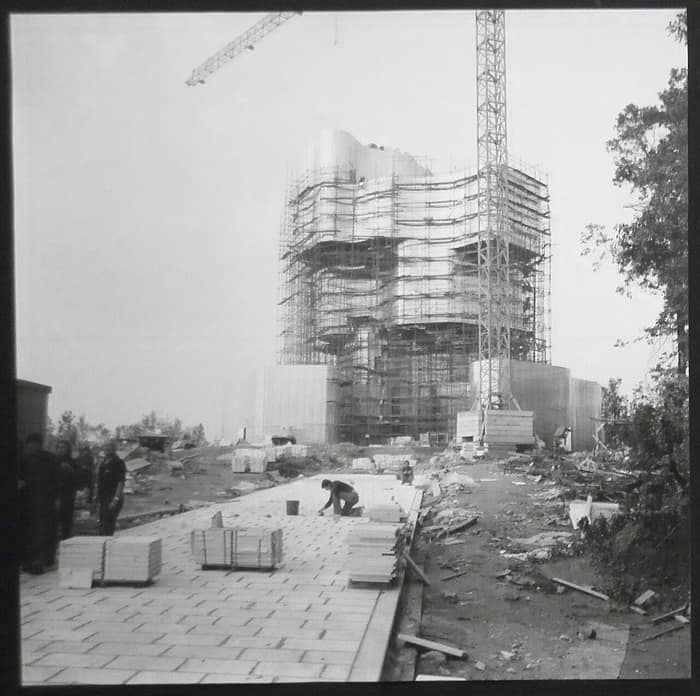
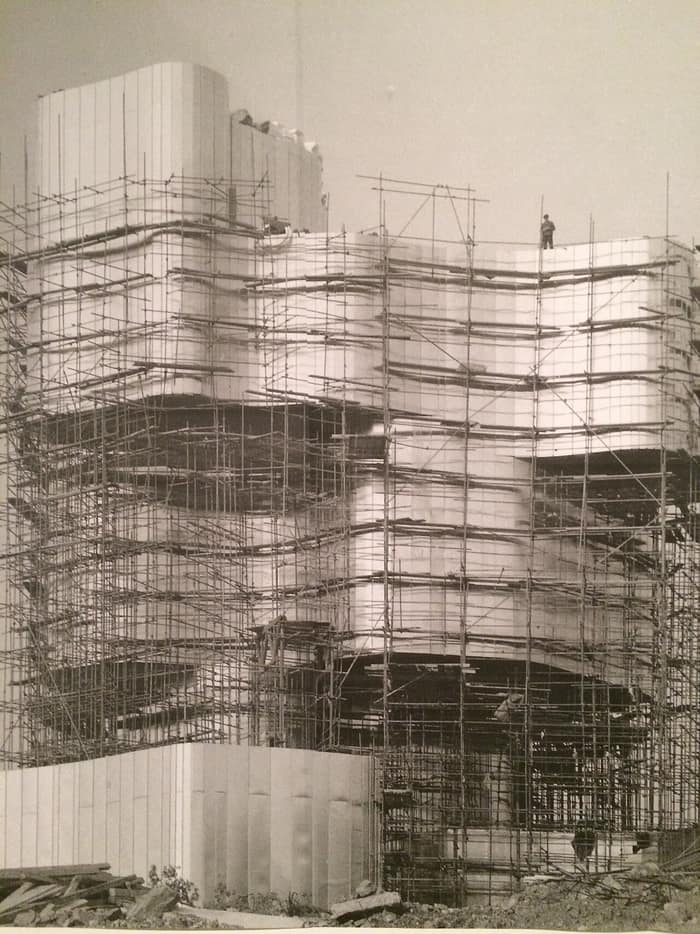
On the summit of Veliki Petrovac stands a steel-clad Yugoslav memorial whose complex was planned with a seven-level museum and a public square. Today it is a ruin high above the beech forest.
The history of the Petrova Gora monument
During the occupation of Yugoslavia in the Second World War, the Ustaše regime of the Independent State of Croatia carried out a campaign of persecution and killing against ethnic Serbs. Kordun and Banija were among the areas targeted because of their large Serb populations. In July 1941 an armed uprising began at Banski Grabovac in Banija, and thousands of people took refuge in the forests of Petrova Gora, where Partisan units arrived and a Partisan hospital was established that year. The monument commemorates the uprising and resistance in these two regions, as well as civilian victims and fallen fighters.
After the war, a foundation stone for a memorial on Petrova Gora was laid in 1946, but the project was delayed. In the 1960s an administration for the memorial sites was set up and planners drew up a general scheme for protected historical and natural sites. Besides the Second World War, the area was linked to the Battle of Gvozd Mountain in 1097 and to the era of the Military Frontier.
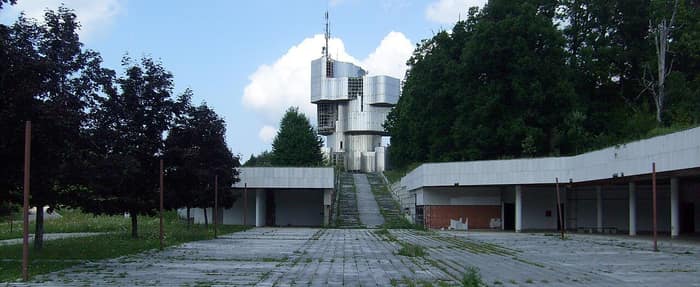
A nationwide competition for the monument was launched in 1970, and Veliki Petrovac, the highest summit, was chosen for its commanding position. After a supplementary competition in late 1974, Bakić's design was the one carried out. Construction began on 15 September 1980. The monument was clad in stainless-steel sheets and contained a reading room, library, offices and an underground space for events; a museum spread over seven levels was also planned, and the top held a viewing platform with views towards Slovenia, Bosnia and Zagreb. It was dedicated in the early 1980s. It formed part of a larger complex with a public square and reception facilities.
After 1991 the memorial complex was neglected. During the war of the 1990s the Yugoslav People's Army used the building, and the interior was badly damaged and vandalised; the museum was devastated after 1995. Metal panels have continued to be removed, and attempts at restoration have largely failed. In August 2011 an appeal was launched in Croatia for the restoration of seven major monuments of the liberation struggle, and this one was on the list. Today it is in an advanced state of disrepair.
Curiosities about the monument
- Veliki Petrovac, where it stands, is the highest summit of Petrova Gora, and the site was chosen so that the monument would be visible from far away.
- Its designer, Vojin Bakić, had already used reflective stainless steel on his monument near Kamenska, completed in 1968.
- The commission went through a nationwide competition in 1970 and a supplementary one in late 1974 before Bakić's design was built.
- The plans included a museum on seven levels, a library and a reading room, but the interior was never fully finished.
- A viewing platform at the top once offered views towards Slovenia, Bosnia and Zagreb.
- In 2011 the monument was named on an appeal for restoring seven major monuments of the liberation struggle in Croatia.
Tours near Monument to the Uprising of the People of Kordun and Banija
Experiences in the area that you can book online with Viator:


Visiting the Petrova Gora monument
- The monument stands on Veliki Petrovac, the highest point of Petrova Gora, in a beech forest setting. The area covers the municipalities of Gvozd and Topusko in Sisak-Moslavina County and Vojnić in Karlovac County.
- The structure is in an advanced state of disrepair, with several steel panels missing, so it is best seen from the outside. Check local conditions and access before you go.
- The sources do not give details of road access or facilities, so plan the route in advance and allow for a rural, hilly setting.
- The memorial is a place of remembrance for victims of the Second World War, so quiet and respectful behaviour is appropriate.
- Cetin Castle (about 21 km) and Dubovac Castle (about 29 km) are among the nearest other sights in this guide.
Opening hours, access and conditions can change. Check before you go.
Map: where Monument to the Uprising of the People of Kordun and Banija is
Photos of Monument to the Uprising of the People of Kordun and Banija
Questions
What is the Monument to the Uprising of the People of Kordun and Banija?
It is a modernist Second World War memorial on Petrova Gora, designed by Vojin Bakić, commemorating the uprising of the people of Kordun and Banija in 1941.
Where is the Petrova Gora monument?
It stands on Veliki Petrovac, the highest summit of Petrova Gora, in central Croatia between Kordun and Banija.
Who designed the monument?
The sculptor Vojin Bakić designed it, also the author of the monument near Kamenska.
When was it built?
Construction began on 15 September 1980, and the monument was dedicated in the early 1980s.
What condition is the monument in?
It is in an advanced state of disrepair. Several steel panels are missing and the interior was damaged in the 1990s.
Can you go inside the Petrova Gora monument?
The sources do not describe visitor access or opening arrangements. Given its condition, check local conditions before planning a visit.
Also nearby
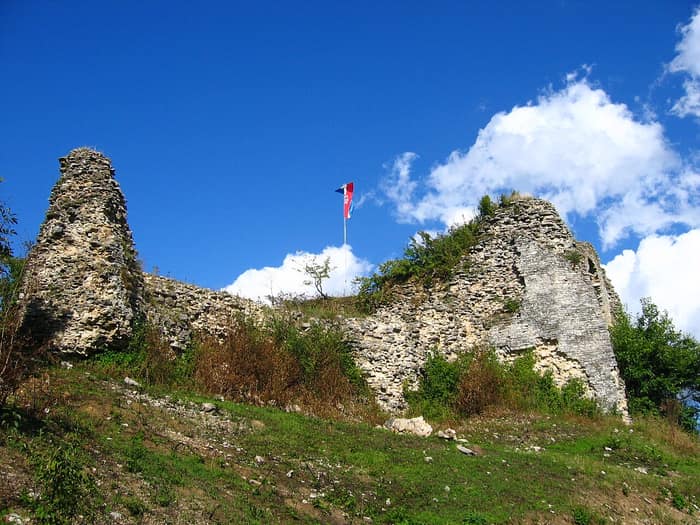
Cetin Castle
Cetingrad · Frankopan fortress where a king was elected
21 km away
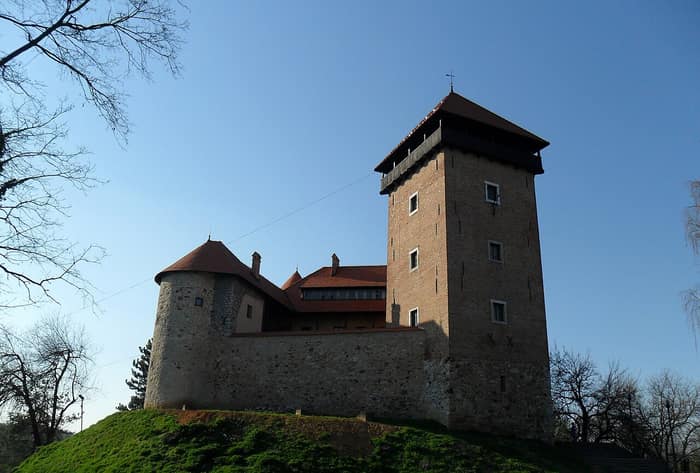
Dubovac Castle
Karlovac · hilltop castle older than the city below
29 km away
Gvozdansko Castle
Gvozdansko · Zrinski fortress and mint, known for the siege of 1577
38 km away
Zrin Castle
Zrin · ruined cradle of the Zrinski family
46 km away